.png)

After the grand success of Shark Tank India season 1, Shark Tank India Season 2 started with first pitch of Hoovu Fresh
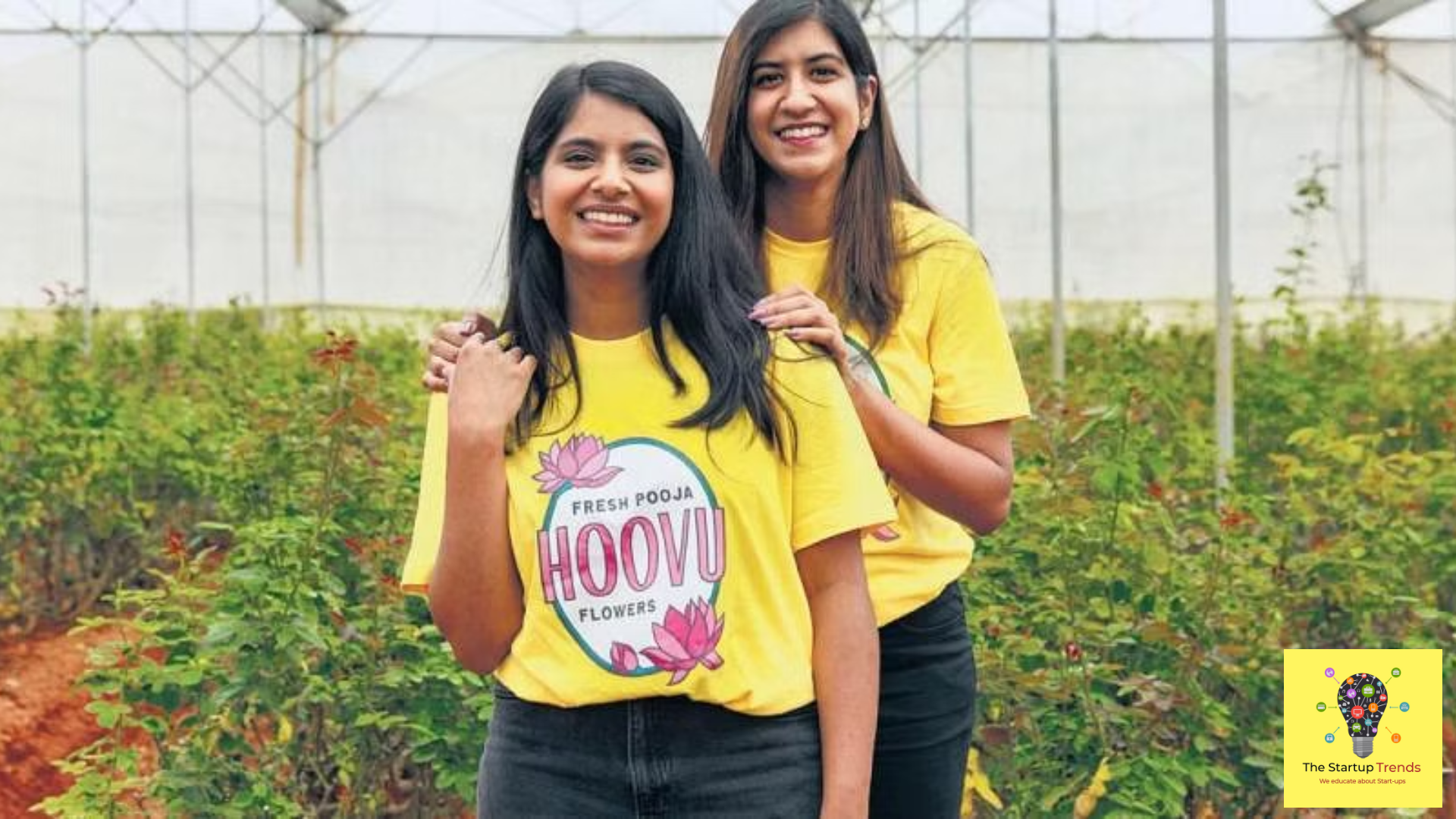
Who would have thought that fresh flowers can also be sold in a packet through quick commerce. It is amazing to see that two sisters from Bangalore running a Startup which is selling flowers through quick commerce in just Rs. 10 per packet.
Every worship is incomplete without flowers. Our practices of performing worship may be different in different religions but the beauty and purity of this experience is the same to everybody. But the preparation of this beautiful experience is extremely chaotic. Rushing to the market, haggling for the freshest flowers and finally when we buy the flowers and they wilt within just a few hours. The Pooja industry in India is valued at over Rs. 2.5 Lakh Crore then why did not any company capture the market? The main problem is freshness. Flowers retain their freshness for a maximum of two or three days and Hoovu Fresh is here with a solution with the help of our in house technique and machinery we have increased the shelf life of these flowers from two days to fifteen days. They have a presence in eight cities. They have fulfilled 2 million orders and they are associated with 300+ temples and 500+ farmers. Every day we ask God for anything but flowers are the one thing that we offer to the Lord earnestly and never take back. Vision of Hoovu Fresh is to make Hoovu a part of all your prayers and give you a peace of mind for those ten minutes.
Right now there is no company is selling pooja flowers. They are working with 500 farmers and the hour on hour rate of all the variety of flowers fluctuates as well as market fluctuates too. With seasonal fluctuations without having a shortage of flowers this is big moat (a distinct competitive advantage that helps the Company protect its market share) in itself.
Their competitive advantage is Scale. They always look at it as a channel and not competition. They have been competitive with the market from day one so we started with a ten rupee packet but we observed that people are ready to pay that premium. Quality is extremely important to consumers. The industry standard for wastage stands at 40% but our flowers brings down that wastage to 2-3%. On a broad level, low or high moisture needs to be brought in control. Bacteria too must be brought under control. The blooming and wilting of flowers have the same biological process, stopping that biological process depends on the sealing time of the packet. They flush the packet with a particular gas that’s what stops the process. They have given employment to 60 women in their work place. This is another example of women empowerment with farmer empowerment as well. (as they are buying flowers direct from farmers).
How Hoovu Fresh started its journey..
Hoovu Fresh is a Bangalore based Startup run by two sisters i.e. Yeshoda Karuturi and Rhea Karuturi are two co-founders.
The story of Hoovu started a long time ago. Father of Yeshoda and Rhea started his rose farm in 1994, the year Yeshoda was born. He then grew to have farms in India, Ethiopia and Kenya. Along the way both sisters saw how the industry changed dramatically - from unorganised, fragmented markets to the setting up of the International Flower Auction Bangalore, the first exports of cut roses from Bangalore and the awe-inspiring Kenyan farm, which was the world’s largest rose farm.
Both sisters have also worked at Karuturi, their family business - Yeshoda as the Executive Director and Rhea during her quarters off. While working in the cut flower industry, both of them saw first hand the enormous scalability in the industry, but what was shocking is that while bouquet flowers are big, most Indians don’t actually interact with flowers in that way.
Most Indians interact with traditional flowers - jasmine, marigold, chrysanthemum, bud roses etc. - every single day. They use it in their morning prayer, to decorate their hair, to hang up in their auto, car, offices. Traditional flower usage is a ubiquitous need, just like the daily newspaper or milk.
And yet this enormous sector of the flower market - making up 481,907 acres of production in India - has barely changed in the last 3 decades. The supply chain is still incredibly fragmented, unorganised and the wastage is as high as 40%. That’s around 192,000 acres of land being used to produce flowers that are just thrown away.
Flowers are passed through multiple levels of handling, and by the time they reach the end customer, it’s been 36-48 hours since their harvest, with no cold chain or proper care.
Both co-founders saw an enormous opportunity here - with our experience in agriculture, we’re able to partner with farms to reduce the turnaround time to 12-24 hours. Innovation in the packaging helps us extend the flower shelf life by 2x to 5x, something unheard of in the current industry.
Both co-founders want to do for puja flowers what we saw happen to cut flowers - a supply chain that works, that adds value to the farmer and the end customer.
Both co-founders are building a company to achieve something really simple: to make flowers a way of life for millions of households across India.
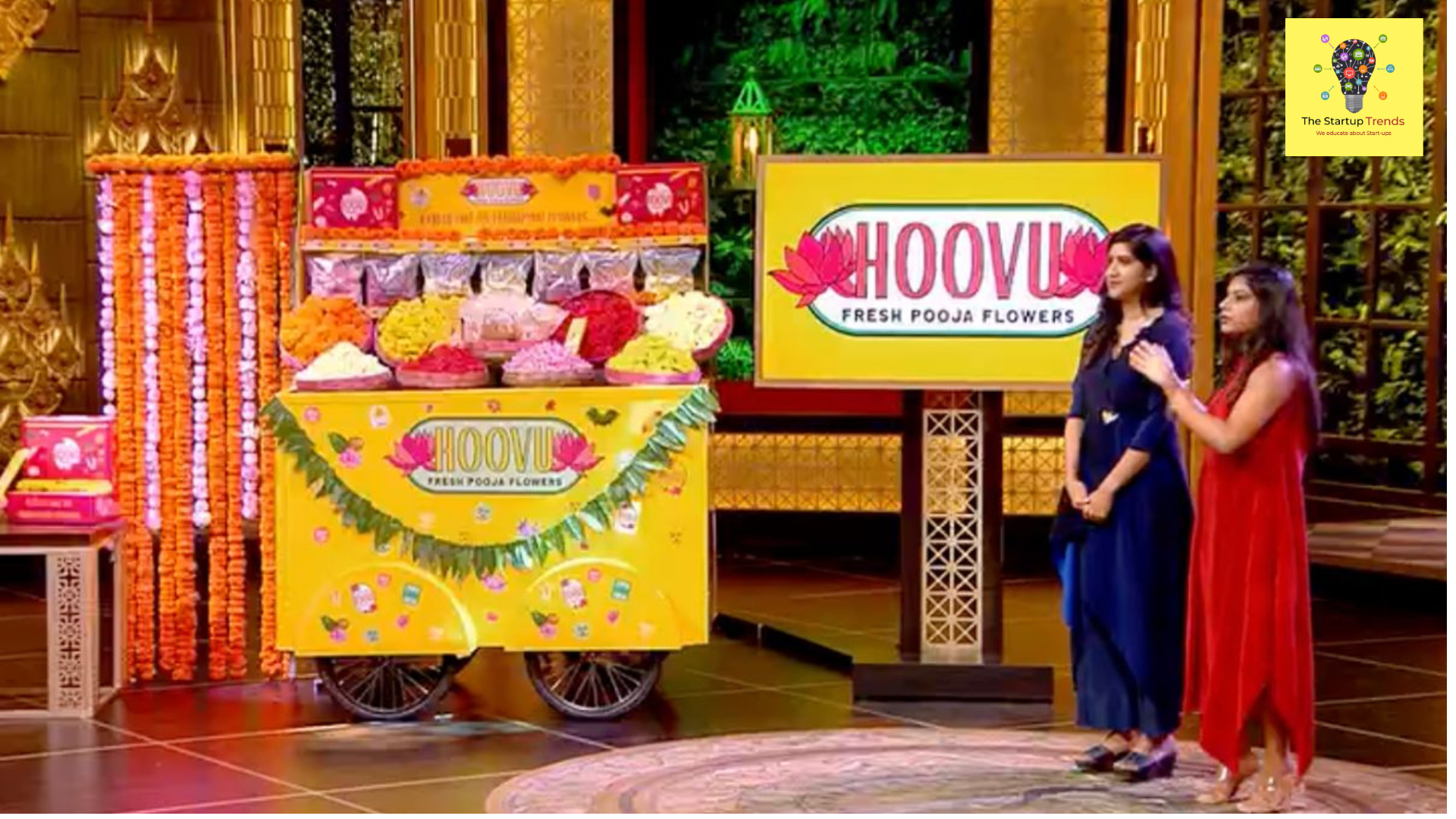
About Co-Founders
Yeshoda Karuturi
Yeshoda Karuturi is CEO. She oversees day to day operations and finance. She has a Masters in Accounting and a Bachelor of Science in Business Administration from Washington University in St Louis. After graduating, she worked for Karuturi Global, once the world's largest producer of roses, as the Executive director with a focus on the Company’s overseas operations. In her role, she built a machinery rental business in Ethiopia with a focus on being able to create effective controls for the business that was scalable and practical, given the technology constraints within the Ethiopian agriculture industry.
Rhea Karuturi
Rhea is CTO and oversees tech and marketing. She has a Bachelors of Science from Stanford University in Science, Technology and Society, with a concentration in Communication and Media. She worked as a teaching assistant in the Computer Science department, teaching the CS106a course in Java, Python and Javascript. She has worked at Times of India, Deccan Herald, the Stanford Daily and the Bay City Beacon among other publications.
Sales & Valuation
This is underperforming industry and the market is even bigger. August 2022 was the first month when their sales were ₹1.1 Crore. In July 2022 sales were ₹50 Lakh and in June 2022 sales were ₹45 Lakh. Their average sales are ₹60 to ₹65 Lakh. Projected Sales for 2022-23 ₹10 Crores and Sales for F.Y. 2021-22 were ₹5 Crores. There was profit of ₹15 Lakh in the month of August when their sales were ₹1.1 Crore.
Ask and Deal
Ask for funding by Founders was ₹80 Lakh for 1% Equity at a Valuation of ₹80 Crores.
Vineeta Singh, Co-Founder & CEO, Sugar Cosmetics and Namita Thapar, Executive Director, Emcure Pharma Limited gave joint offer of ₹40 lakh for 4% Equity & 40 lakh in debt at 12% interest at a valuation of ₹10 Crore.
Both co-founders told they have raised funding ₹3.5 Crore at a Valuation of 50 Crores.
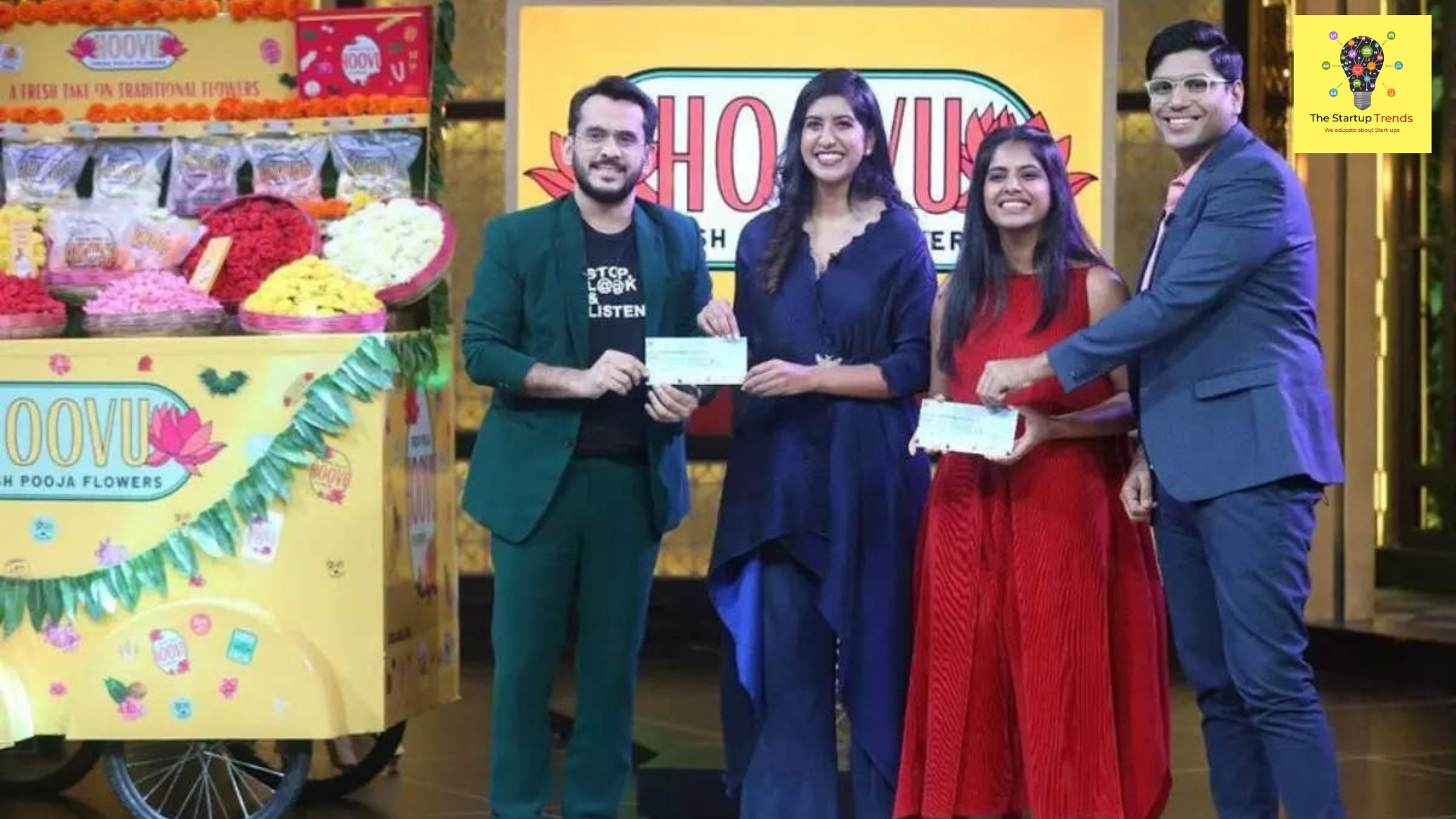
Aman Gupta, Co-founder & CMO boAt Lifestyle & Peyush Bansal, Co-Founder Lenskart.com gave joint offer of ₹1 crore for 2% Equity at a valuation ₹50 Crores matching valuation of their previous round funding.
Vineeta Singh and Namita Thapar matched Valuation ₹50 Crore and gave their revised joint offer of ₹50 lakh in Equity 1% & 30 lakh in debt at 12% interest.
Both co-founders accepted offer of Aman Gupta, Co-founder & CMO boAt Lifestyle & Peyush Bansal, Co-Founder Lenskart.com of ₹1 crore for 2% Equity at a valuation ₹50 Crores.